
Events
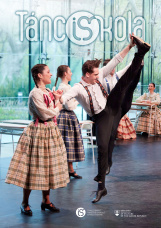
The interactive family performance presents the traditional dance types and dialects of Central Europe, conveying connections and insights that were long ago highlighted by the work of György Martin, yet are rarely discussed today. Set within the framework of a classroom lesson, the performance helps children understand how the traditions of our past are connected — and can still connect — to the world of the present.
The audience becomes acquainted with Hungarian, Moravian, Ruthenian, Romanian, Slovak, Romani, and Gorál traditions. Through its direct and playful tone, the production creates an engaging bridge between the fascinating world of traditional culture and young audiences.

The interactive family performance presents the traditional dance types and dialects of Central Europe, conveying connections and insights that were long ago highlighted by the work of György Martin, yet are rarely discussed today. Set within the framework of a classroom lesson, the performance helps children understand how the traditions of our past are connected — and can still connect — to the world of the present.
The audience becomes acquainted with Hungarian, Moravian, Ruthenian, Romanian, Slovak, Romani, and Gorál traditions. Through its direct and playful tone, the production creates an engaging bridge between the fascinating world of traditional culture and young audiences.

The interactive family performance presents the traditional dance types and dialects of Central Europe, conveying connections and insights that were long ago highlighted by the work of György Martin, yet are rarely discussed today. Set within the framework of a classroom lesson, the performance helps children understand how the traditions of our past are connected — and can still connect — to the world of the present.
The audience becomes acquainted with Hungarian, Moravian, Ruthenian, Romanian, Slovak, Romani, and Gorál traditions. Through its direct and playful tone, the production creates an engaging bridge between the fascinating world of traditional culture and young audiences.
For school audience only.

The interactive family performance presents the traditional dance types and dialects of Central Europe, conveying connections and insights that were long ago highlighted by the work of György Martin, yet are rarely discussed today. Set within the framework of a classroom lesson, the performance helps children understand how the traditions of our past are connected — and can still connect — to the world of the present.
The audience becomes acquainted with Hungarian, Moravian, Ruthenian, Romanian, Slovak, Romani, and Gorál traditions. Through its direct and playful tone, the production creates an engaging bridge between the fascinating world of traditional culture and young audiences.

The interactive family performance presents the traditional dance types and dialects of Central Europe, conveying connections and insights that were long ago highlighted by the work of György Martin, yet are rarely discussed today. Set within the framework of a classroom lesson, the performance helps children understand how the traditions of our past are connected — and can still connect — to the world of the present.
The audience becomes acquainted with Hungarian, Moravian, Ruthenian, Romanian, Slovak, Romani, and Gorál traditions. Through its direct and playful tone, the production creates an engaging bridge between the fascinating world of traditional culture and young audiences.
Performance for the local school only.

The interactive family performance presents the traditional dance types and dialects of Central Europe, conveying connections and insights that were long ago highlighted by the work of György Martin, yet are rarely discussed today. Set within the framework of a classroom lesson, the performance helps children understand how the traditions of our past are connected — and can still connect — to the world of the present.
The audience becomes acquainted with Hungarian, Moravian, Ruthenian, Romanian, Slovak, Romani, and Gorál traditions. Through its direct and playful tone, the production creates an engaging bridge between the fascinating world of traditional culture and young audiences.
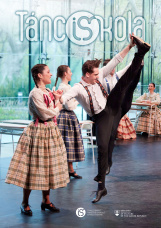
The interactive family performance presents the traditional dance types and dialects of Central Europe, conveying connections and insights that were long ago highlighted by the work of György Martin, yet are rarely discussed today. Set within the framework of a classroom lesson, the performance helps children understand how the traditions of our past are connected — and can still connect — to the world of the present.
The audience becomes acquainted with Hungarian, Moravian, Ruthenian, Romanian, Slovak, Romani, and Gorál traditions. Through its direct and playful tone, the production creates an engaging bridge between the fascinating world of traditional culture and young audiences.
Performance for the local school.
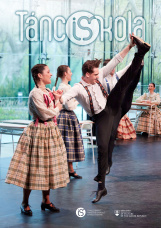
The interactive family performance presents the traditional dance types and dialects of Central Europe, conveying connections and insights that were long ago highlighted by the work of György Martin, yet are rarely discussed today. Set within the framework of a classroom lesson, the performance helps children understand how the traditions of our past are connected — and can still connect — to the world of the present.
The audience becomes acquainted with Hungarian, Moravian, Ruthenian, Romanian, Slovak, Romani, and Gorál traditions. Through its direct and playful tone, the production creates an engaging bridge between the fascinating world of traditional culture and young audiences.
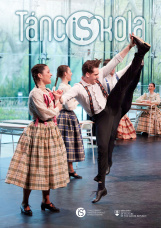
The interactive family performance presents the traditional dance types and dialects of Central Europe, conveying connections and insights that were long ago highlighted by the work of György Martin, yet are rarely discussed today. Set within the framework of a classroom lesson, the performance helps children understand how the traditions of our past are connected — and can still connect — to the world of the present.
The audience becomes acquainted with Hungarian, Moravian, Ruthenian, Romanian, Slovak, Romani, and Gorál traditions. Through its direct and playful tone, the production creates an engaging bridge between the fascinating world of traditional culture and young audience.
Performance for students of the local school.
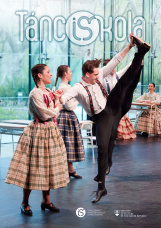
The interactive family performance presents the traditional dance types and dialects of Central Europe, conveying connections and insights that were long ago highlighted by the work of György Martin, yet are rarely discussed today. Set within the framework of a classroom lesson, the performance helps children understand how the traditions of our past are connected — and can still connect — to the world of the present.
The audience becomes acquainted with Hungarian, Moravian, Ruthenian, Romanian, Slovak, Romani, and Gorál traditions. Through its direct and playful tone, the production creates an engaging bridge between the fascinating world of traditional culture and young audiences.